Your Ad Is a Yard Sign With 30 Characters
Everything you own that talks to a customer gets some thought. The sign on the road, the wrap on the delivery truck, the way the counter looks when a contractor walks in.
Then there is the one piece of your marketing that every single paying click passes through, and in most accounts nobody has touched it in two years.
Your ad. Three headlines of 30 characters and a couple of lines of description, sitting at the top of the page while a contractor decides whether to tap you or the yard below you. You pay either way. The copy decides which one he taps.
The ad is the only thing he sees before you get charged
Landing pages matter, but nobody reaches your landing page without reading your ad first. That makes those few lines the cheapest thing in your account to fix, and usually the most neglected.
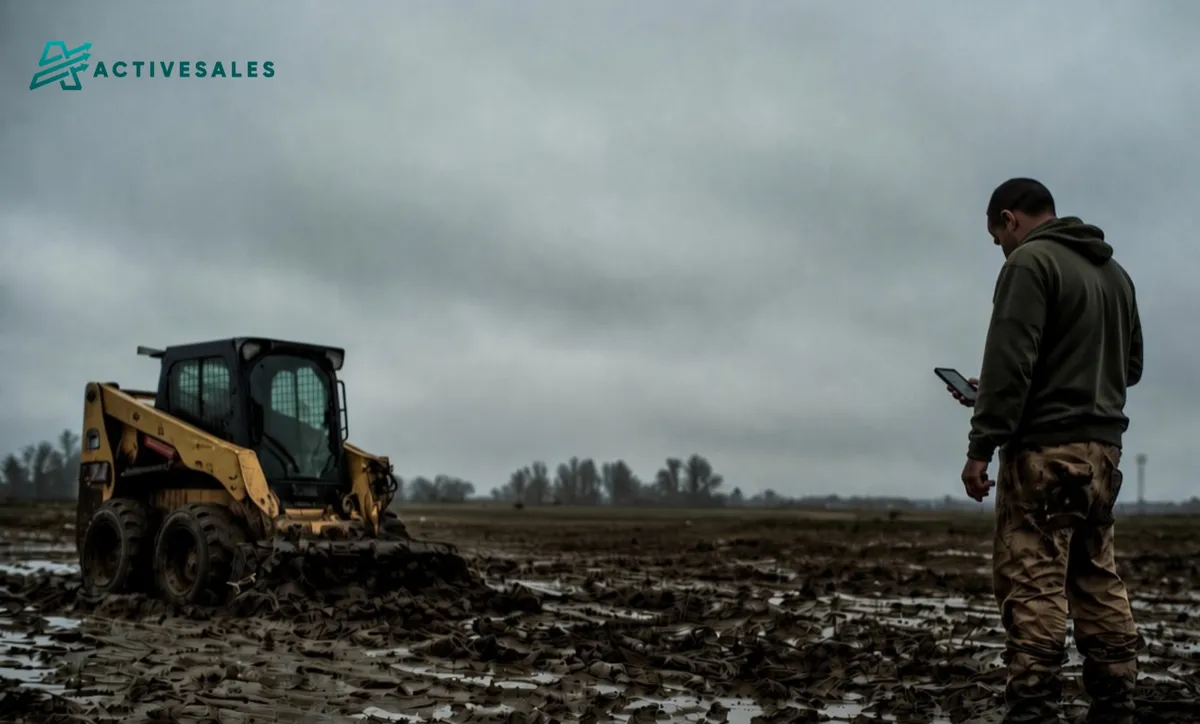
Think about who is reading it. A contractor standing in the mud at 6:40 in the morning, phone in one hand, deciding what is getting delivered to the job today. He is not browsing. He has a machine in mind, a date, and a site address.
He is scanning for four things: do you have it, do you rent it for the length of job he is running, can you get it to him, and when.
Answer those in the ad and you get the click that turns into a call. Answer none of them, and you are relying on him being curious enough to find out.
What earns the tap
The machine, named the way he searched it. If he typed "mini excavator rental," the headline should say mini excavator rental. Not "equipment rentals," not "construction solutions." This is the single biggest lever in the whole ad, and it is the reason a rental account needs an ad group per machine category rather than one ad covering the whole fleet. One generic ad cannot say the machine name for twenty different searches.
How the rental is priced, not the price itself. "Daily, Weekly & Monthly Rates" or "Rent by the Day or the Month." We do not put dollar figures in ad copy. Rates change, they differ by machine size and attachment, and a number in a headline goes stale across dozens of ad groups before anyone remembers to update it. What the contractor actually needs to know at this stage is whether you rent the way his job runs. A guy with a three day dig and a guy with a four month site are asking two different questions, and both of them are reassured by the same headline. The exact number belongs on the page and in the conversation, where you can quote it properly.
Delivery. "Delivered to Your Jobsite" or "Free Delivery Within 25 Miles." Contractors have been burned by yards that quote a good day rate and then add a transport charge that doubles it.
When he can have it. "Same Day Pickup," "Book for Monday Morning." Availability is the question your counter hears most, and almost no ad answers it.
The scheduling detail that only your trade cares about. Open Saturday morning. Weekend rate counts as one day. No minimum rental. Monthly rates for long jobs. These are the lines a working contractor reads and thinks, finally, someone who understands how the job runs.
A headline set for a skid steer ad group might look like this:
Skid Steer Rental in [City]
Daily, Weekly & Monthly Rates
Delivered to Your Jobsite
Every one of those tells him something he can act on.
Write for the machine Google will build
Responsive search ads let you load up to 15 headlines, and Google assembles three of them at a time in an order you do not control. So every headline has to make sense next to every other one. Read them in a few random combinations before you save. If two of them say roughly the same thing, the customer may see both in the same ad, which wastes a slot.
You can pin a headline to position one when the machine name has to appear every time. Pin one or two, not all of them, because pinning everything turns the ad back into the old static format and gives Google nothing to test.
One more thing worth saying plainly. Most agencies write ads to get Ad Strength up to "Excellent," because it is a green label a client can see on the screen. Ad Strength measures how much variety and keyword overlap you gave Google. It does not measure booked rentals. We would rather run eight specific headlines that answer a contractor's real questions at "Good" than pad the ad with generic filler to earn a label nobody rents a machine from.
The short version
Your ad is a yard sign with 30 characters. It should say what the machine is, how you rent it out (day, week, month), whether you deliver, and when he can have it.
Do this now: open your account, sort your keywords by spend, take the top ten, and look at the ads actually running for them. Count how many headlines answer a question a contractor would ask. If the answer is fewer than half, you have found the cheapest fix available to you this month, and it does not require raising a single bid.
We only do Google Ads for equipment rental companies. If you want a second set of eyes on your account, we will take an honest look and tell you what we see.